The Core Shack Is a Stress Test: A 2026 Field Guide to Investor Site Visits at US Juniors
The investor site visit has become a fixture of the US junior exploration calendar. Companies bus analysts to remote claims, open the core shack, and walk visitors through the geology. The practice can be useful. It can also be theater. The difference depends on whether the visitor treats the tour as a relationship-building exercise or as a stress test.
Why the Core Shack Matters More Than the Slide Deck
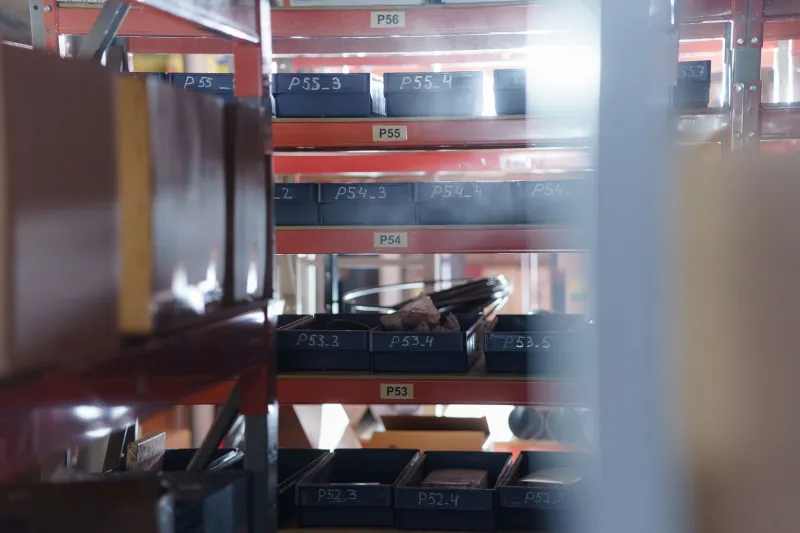
A slide deck can be designed. A core shack is harder to stage. Core is physical evidence. It shows recovery, logging quality, sample intervals, alteration, veining, oxidation, and structural context. It shows whether the company has preserved the record or selected the photogenic intervals. It shows whether the geologists can explain the deposit without deferring to the presentation.
That is why the core shack deserves more analytical attention than the conference room. The conference room presents the story the company wants to tell. The core shack presents the story the rock will support.
What a Tour Can Reveal
Geological confidence is the first test. A well-run core shack has consistent logging, clear sample boundaries, orientation marks, and a documented chain of custody. The geologist should be able to point to intervals that were not mineralized and explain why they matter. A company that only shows high-grade trays is not showing geological confidence. It is showing marketing discipline.
Management credibility is the second test. The best site visits are unscripted enough to allow off-script questions. Who answers the technical questions? Does the chief geologist defer to the investor relations officer? Can management explain a failed hole without becoming defensive? Does the team know the local water situation, the access agreements, and the reclamation obligations? Specificity is a credibility signal. Evasion is a warning.
Social license is the third test. A core shack tour is also a community relations event, whether the company frames it that way or not. Are local employees present? Does the company have a visible relationship with landowners, tribal representatives, or county officials? Does the site look like a guest operation or a working operation? These signals are imperfect, but they are more informative than a sustainability page.
The Red Flags
Several patterns should raise questions in 2026. The first is a curated core display with no access to the full log. The second is a tour that avoids the sample preparation area, the assay records, or the QA/QC documentation. The third is a geologist who cannot explain the difference between a reported interval and a diluted interval. The fourth is a management team that treats investor questions as an inconvenience rather than an obligation.
Other red flags are subtler. Core that is poorly boxed or exposed to weather suggests weak field discipline. Sample intervals that do not match the logged geology suggest a gap between the technical team and the disclosure. A site with no visible community engagement may still have social license, but the absence of any local presence is worth noting. A visit that is entirely choreographed, with no opportunity to speak to the site geologist alone, is a presentation rather than a diligence exercise.
A Checklist for Analysts
Use the visit to test the disclosure, not to confirm it. Ask for the complete log for at least one hole discussed in the release. Compare the reported interval to the core tray and the sample sheet. Ask where the certified reference materials and blanks were inserted and who reviewed the results. Ask about recovery in the mineralized zone and whether the interval is representative. Ask how the company handles coarse gold, nugget effect, or base-metal credits. Ask what the water source is, how it is permitted, and what happens in a dry year. Ask about access agreements and reclamation bonding. Ask who the local stakeholders are and when the company last met with them.
Then ask the uncomfortable question. What would change management's mind about the project? A team that can answer that question with technical specificity is more investable than a team that cannot. The point is not to catch the company in a contradiction. The point is to see whether the company has a culture of evidence.
The Dividend and the Discount
The core shack dividend is real. Site visits can reduce information asymmetry and give analysts a better feel for grade continuity, technical discipline, and management quality. But the dividend is only paid to investors who ask for negative evidence. A tour that produces nothing but confidence is not diligence. It is a press release with better catering.